15 November, 2026
03:30 PM - 04:30 PM
Aditya Birla Auditorium | On-site
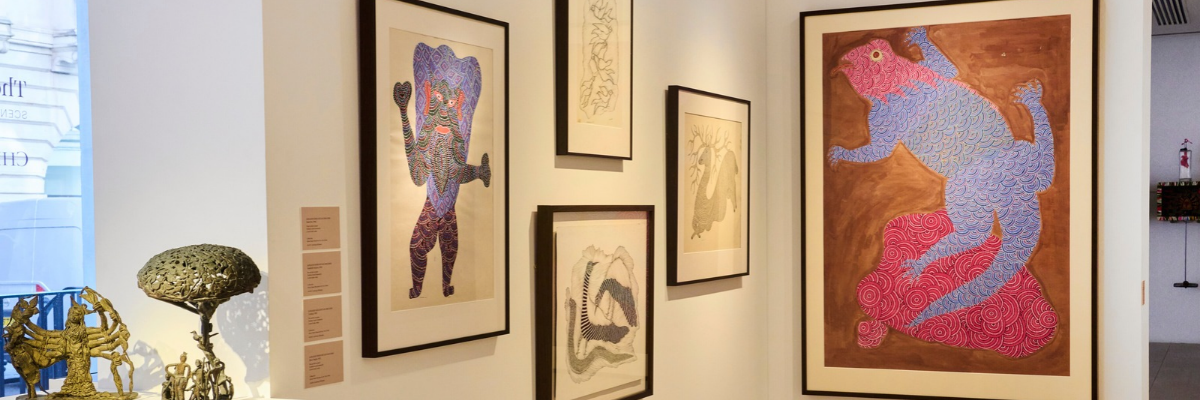
Historically, stories of the earth have been visually archived by women, especially within folk, tribal and indigenous communities. Mud walls and now blank paper have been transformed into scenes of nature, folklore, mythology, ritual and daily life.
Often positioned outside contemporary art norms, these practices reflect artists’ lived experiences, raising the question: How do we define the contemporary?
This panel invites three perspectives to reflect on this question. Savita Jha, Professor at Delhi University and a member of the Maithil community, will share an insider’s perspective on the works of artists such as Ganga Devi and Baua Devi and their shift from traditional themes of Mithila art. Artists, the Vayeda Brothers will draw on their experience of working with the Suhasini women of their community to create new visual languages with of Warli. Preeti Bahadur, Senior Curator and Head – Classical Indian – Folk and Tribal Arts Kiran Nadar Museum of Art (KNMA), will draw on her experience curating Voices from the Earth: Women, Nature, Power, on view at the joint KNMA and Saffronart Foundation booth at ART MUMBAI, to examine how these practices have moved from domestic and ritual spaces to paper and canvas.
Moderated by Anubhav Nath, Founder Director of Ojas Art, the panel will explore women’s roles in folk and tribal art, their artistic journeys, the transmission of cultural memory and the meaning of the contemporary.
The ART MUMBAI Speaker Series is presented by the Kiran Nadar Museum of Art
The Meeting Ground Scenes from the KNMA Collection. Image courtesy CHRISTIE'S IMAGES LTD. 2026
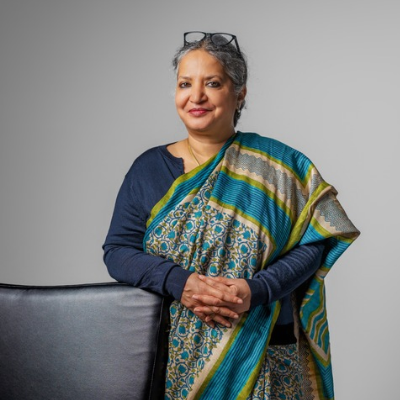
Dr. Preeti Bahadur Ramaswami is the Senior Curator and Head for Indian Classical and Folk and Tribal Arts at the Kiran Nadar Museum of Art (KNMA). She has been leading the development of programming and collection for the Indian Classical, Folk and Tribal Arts wing of the museum since August 2024, focussing on aligning museum objects with scholarly data and with planning exhibitions, publications and programs. As an art historian and curator specializing in Indian miniature painting and manuscript illustrations, her focus is on interweaving aesthetic, literary and performative traditions. Her work is interdisciplinary; apart from manuscript illustrations she has also worked on vernacular and indigenous artistic practices from Central India. With a PhD on Ragamala miniatures in 2002, she has since taught art history at various prestigious institutes including the School of Arts and Aesthetics, JNU, and at Ashoka University. Her curatorial projects include Nauras: the Many Arts of the Deccan (National Museum, New Delhi 2015), and The Figure of Sound (Anant Art gallery, New Delhi, 2023). She is the recipient of fellowships from the India Foundation for the Arts and the Nehru Trust for Indian Collections at the V&A.
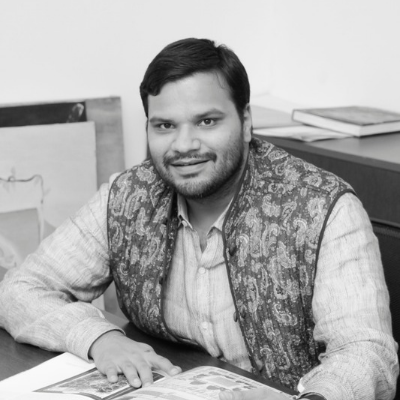
Anubhav Nath is a full-time arts professional with an interest in writing, social development, mentorship and historical automobiles. He founded Ojas Art, an arts initiative promoting Indian contemporary arts with a focus on the Indian Indigenous Arts. His initiatives include, the transformation of a heritage property into a bustling arts and culture center in Delhi. He curated the Indigenous Pavilion for the inaugural edition of the India Art Architecture and Design Biennale at Red Fort in 2023. Some other curatorial projects are: Freedom to March which travelled to Washington DC, London and Trinidad & Tobago; Expressions at Tihar a three-year project involving young prisoners and contemporary artists and Order in Chaos for the Lalit Kala Akademi. Nath established the Ojas Art Award to help recognise talented artists in the indigenous arts and is an advisor to art and literature festivals like Jaipur Literature Festival and Kabira Festival in Varanasi. He contributes to publications and has been a speaker at multiple platforms and is a member of the FICCI Arts & Culture Committee. He is a Trustee at Salaam Baalak Trust (SBT), an organization that provides education, vocational training and residential services to over 100,000 street and working children. He co-founded the Ramchander Nath Foundation, a not-for-profit organization that focuses on the dissemination of arts to marginalized communities.
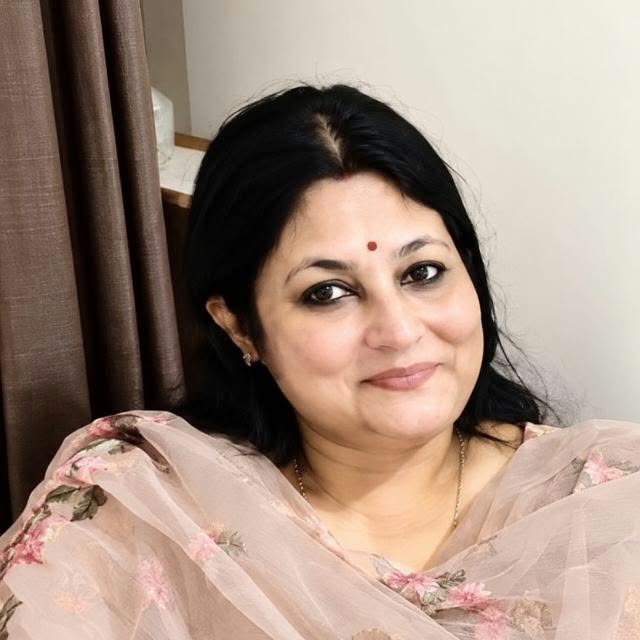
Dr Savita Jha teaches History and Tourism Management at the College of Vocational Studies, University of Delhi. Born in Mithila, with two decades of academic research on Mithila culture, she is founder and curator of the Madhubani Literature Festival and has curated its Vaidehi and Matrika, international Mithila art exhibitions, in collaboration with IGNCA and the National Crafts Museum. She founded the Centre for Studies of Tradition and Systems (CSTS) and is a columnist with The Indian Express. She researches, writes, and speaks on Maithili literature, Mithila's folk, ritual, and living traditions, women's lives, and their place in contemporary art.
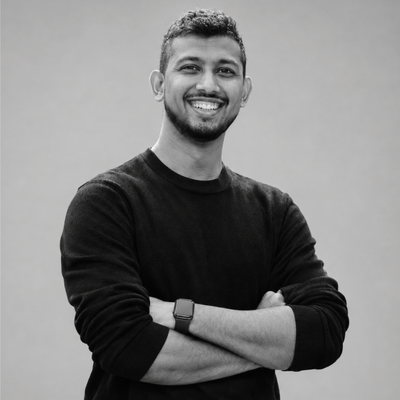
Mayur Vayeda is an internationally recognised artist and researcher from the Warli community in Ganjad, Maharashtra. Together with his brother Tushar, they formed The Vayeda Brothers, whose practice positions Warli knowledge within global contemporary art discourse. Their paintings, monumental murals and collaborative projects explore land, ancestral memory, ritual and cosmology, grounded in Indigenous knowledge systems. Their works are held in distinguished institutional collections, including the Kiran Nadar Museum of Art (KNMA), New Delhi, The Victoria and Albert Museum (V&A), London, The Queensland Art Gallery | Gallery of Modern Art (QAGOMA), Brisbane, and The Art Institute of Chicago, USA. Their major commissions include a monumental mural for Powerhouse Parramatta, Sydney, created for its inaugural exhibition, Task Eternal. As co-founder of Waral Prakalp, Mayur extends his artistic practice into ecological stewardship and cultural transmission, connecting community knowledge with native forest regeneration, seed preservation and the continuity of living traditions.