
Friday - September 25, 2026

ART MUMBAI Writes
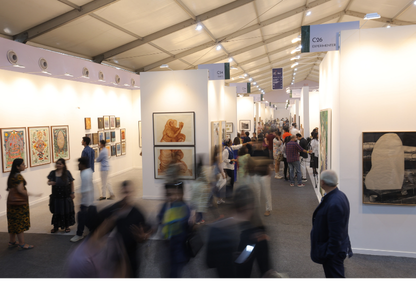
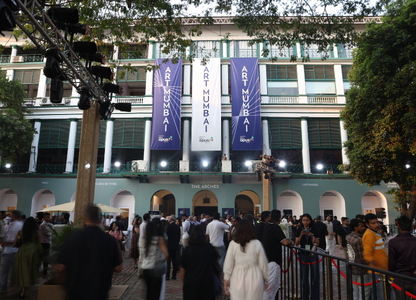
Art fairs are, at their core, large-scale art marketplaces where galleries from around the world gather under one roof to sell and showcase art. Held seasonally in major art-world hubs, fairs have become a cornerstone of the global contemporary art market. They are unique in that they aren’t bound by a unifying curatorial narrative, and therefore house a diversity of artwork and perspectives.
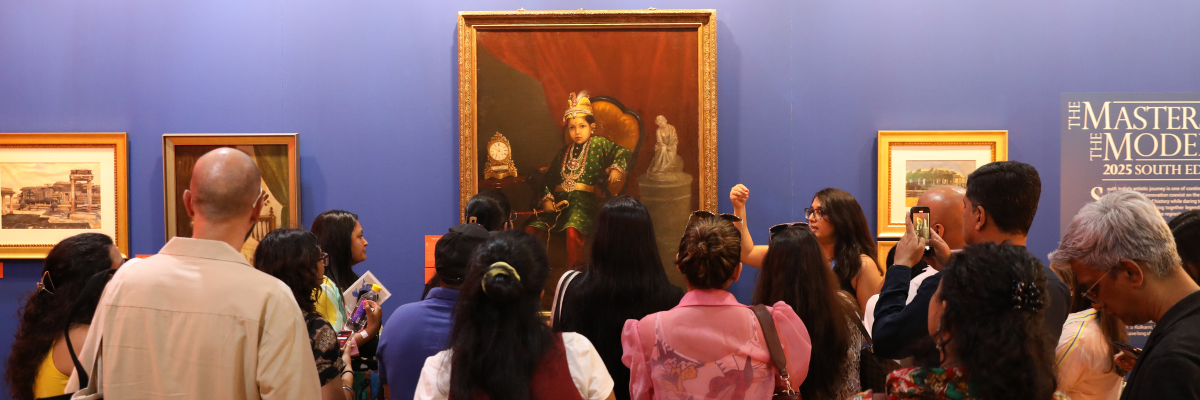
A nexus for the art world, art fairs are where artists, gallerists, curators and collectors converge. The concentrated interplay of people, dialogue and opportunities means that fairs are a reflection of the art market at that moment—and can be used to gauge the pulse of contemporary art trends, rising collectors and more.
For gallerists exhibiting at an art fair, art fairs are an opportunity to present artists to audiences and to sell their artwork. Months of planning go into selecting works, designing booths, and engaging with collectors. At fairs, gallerists have face-to-face access with their market, and can build relationships with new collectors while strengthening established connections.
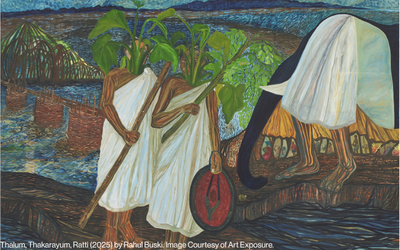
Art fairs are lively places for artists to display because they are epicenters for cultural conversation. Artists can see reactions to their art in real time, exchange ideas with peers and talk to potential collectors and curators.
For emerging creators, art fairs can become networking opportunities—a launchpad for artists seeking their first gallery representation. They offer unparalleled access to the art industry, potentially creating chances for future collaborations, mentorships, and gallery exhibitions.
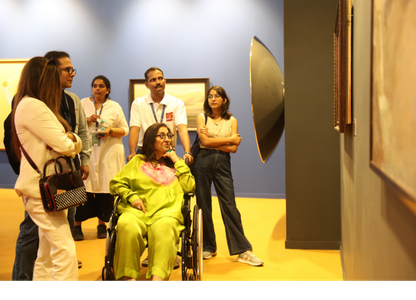
For collectors, who plan how to buy art at art fairs, these events are both social and commercial. They allow the collector a chance to view a variety of artworks efficiently, since they house a range of galleries in a single venue and point in time. This access gives them the opportunity to discover new talent, and speak with different artists and gallerists.
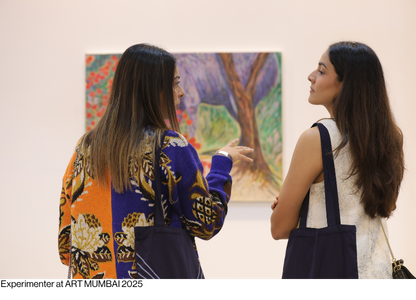
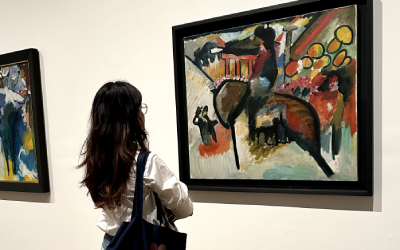
For art enthusiasts, art fairs are spaces to appreciate art and perhaps even start collecting. What would otherwise require international travel to see becomes available in one place. And being in a fair space gives enthusiasts the opportunity to learn about how collectors, gallerists and practitioners speak about art, in the booths and through panel discussions.
In essence, art fairs are a capsule of the art world, bringing together discovery and dialogue, connections and opportunity, and understanding how art fairs work is the first step to navigating the global art market.